Whitstable · Tankerton · Chestfield · Seasalter · CT5
Hedge trimming in Whitstable, plus reduction and tree care, that accounts for what actually happens to a hedge here: salt wind off the estuary, free-draining shingle soil near the front, heavier clay further inland toward Chestfield. Fully insured. We plan around the bird-nesting window (1 March – 31 August) and file the conservation-area notice where it applies.
Start with the symptom
Most hedge problems in Whitstable gardens have a specific, findable cause - not just "it needs a cut." Browning on one face, bare patches low down, sudden dieback: each has a short list of real causes, and the fix is different for each one.
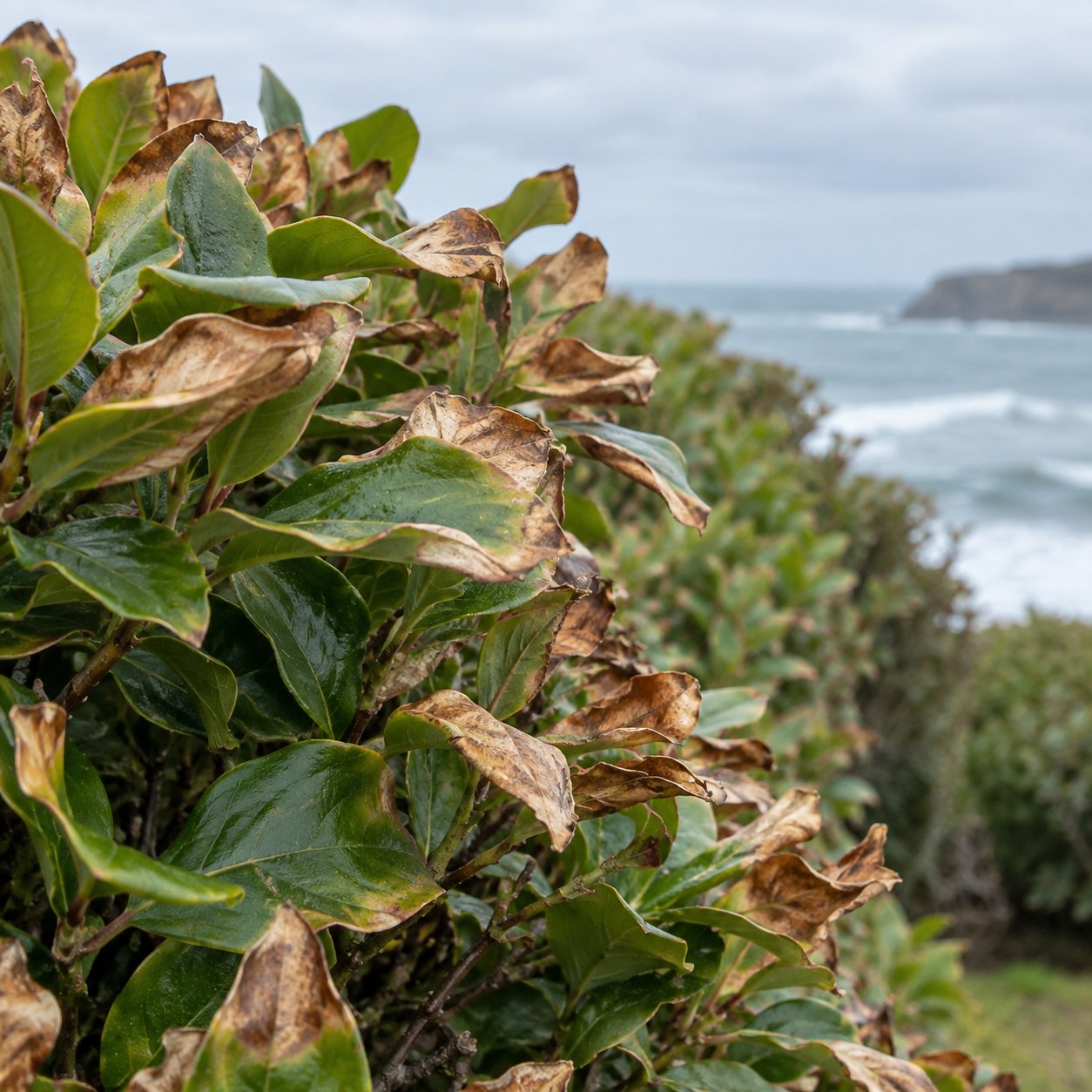
Almost always salt scorch from onshore wind, not disease. Here's how to tell, and what to do about it.
Diagnose it
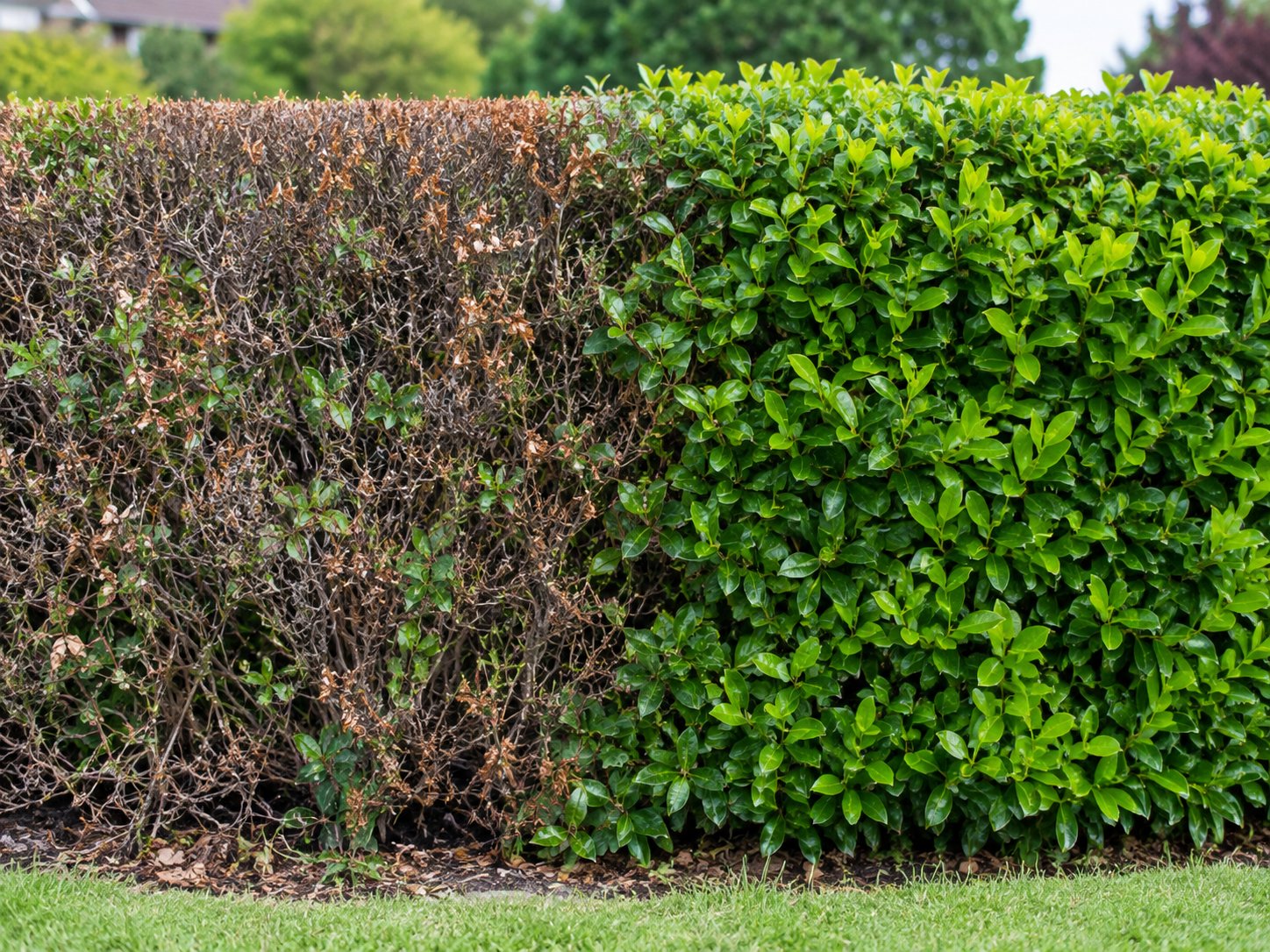
Five real causes produce this exact pattern. We walk through how to tell them apart before you spend money on the wrong fix.
Diagnose it
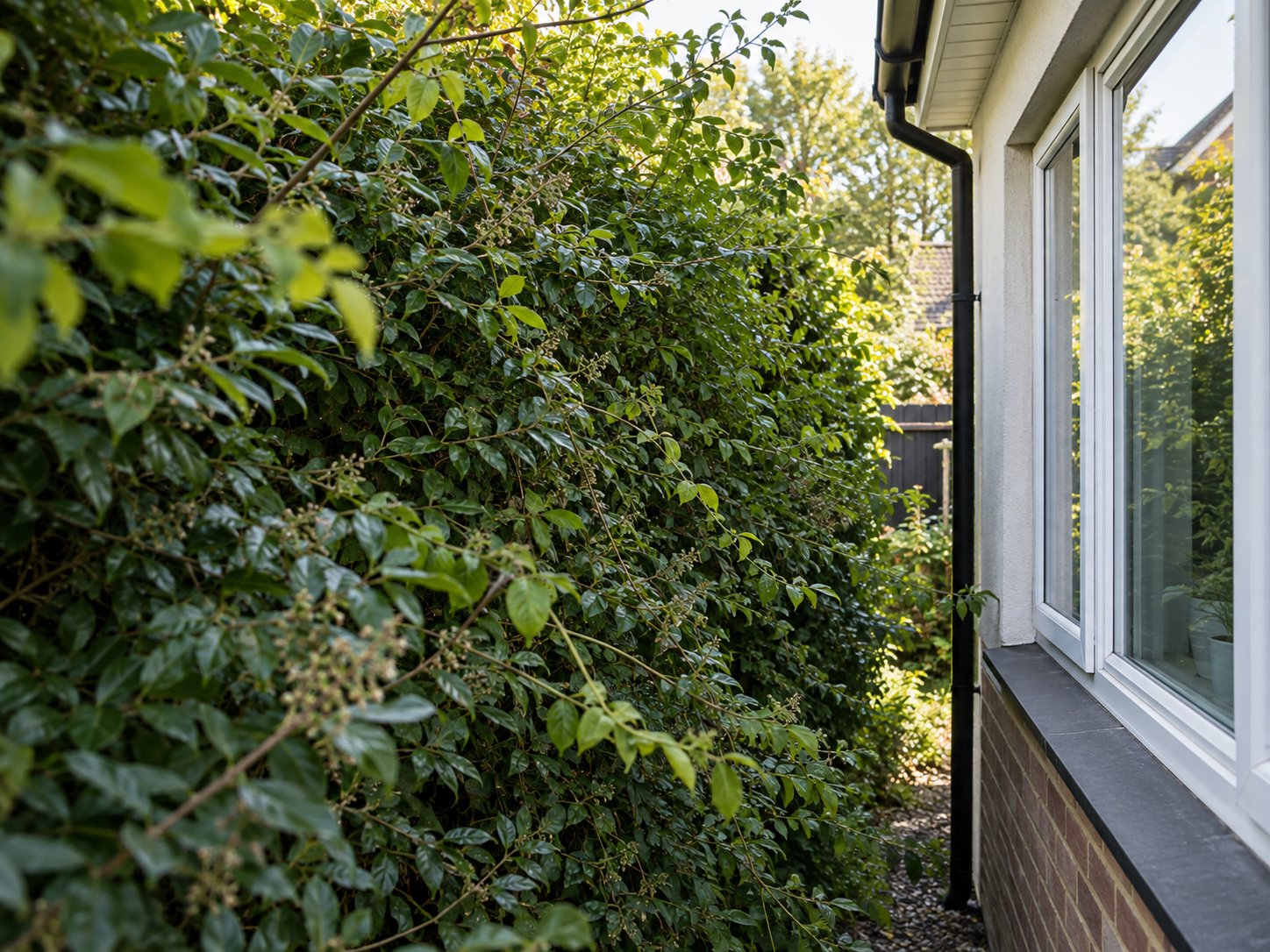
A routine reduction and a full reclamation plan are different jobs with different outcomes. The right call depends on species and how far it's gone.
Diagnose it
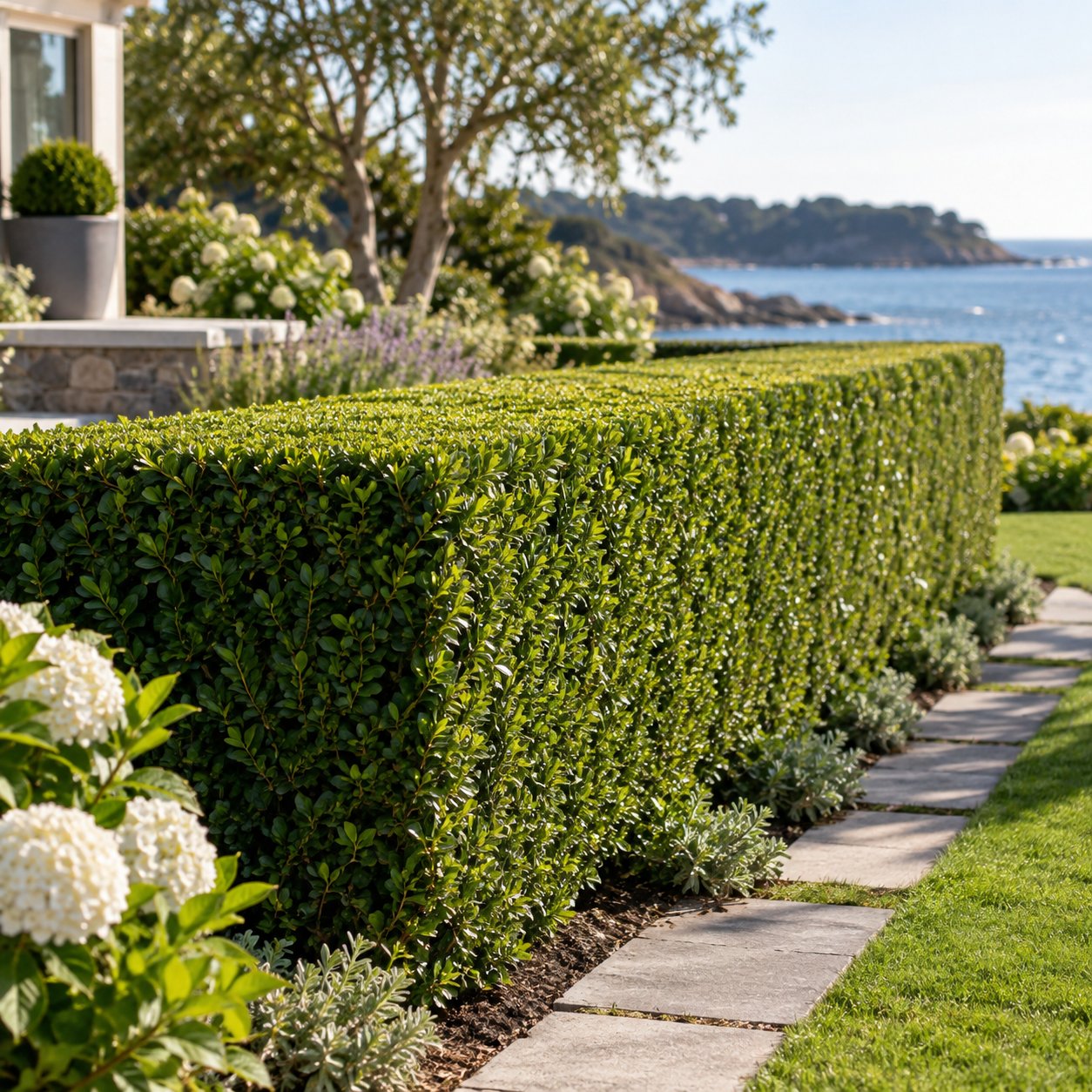
Already know what you need? Trimming, reduction, reclamation, topiary or tree surgery - see pricing and timing for each.
See servicesOur promise
We don't ask for payment until you've walked the hedge with us and you're happy. If we haven't done what we said we'd do, we put it right or you owe us nothing.
Anyone on a state pension, automatically. No card, no proof of anything - just mention it when you book. Honour system; we trust people.
Used us before? Your next job over £500 gets 10% off, no time limit, no asking. Logged when we send the quote.
Why local matters
A garden on Island Wall or up on the Tankerton Slopes takes a direct hit of onshore wind and fine salt spray every winter. Free-draining sand and shingle sits right behind the seafront; a mile or two inland toward Chestfield and Yorkletts, the ground turns to heavier clay and brickearth that holds water and grows a completely different set of hedges well.
We treat that as the starting diagnosis, not an afterthought. Salt-tolerant species on the exposed seaward plots. Windbreak-first thinking rather than a straight replant into the same gap. And a tape measure on any stem near the 75mm conservation-area threshold in the harbour and old town before we touch it.
In the Conservation Area?
The harbour, Island Wall, Harbour Street and much of the old town sit inside the Whitstable Conservation Area, administered by Canterbury City Council. Any tree with a stem over 75mm at chest height needs six weeks' written notice before pruning. We file the section-211 notice on your behalf, included in every quote where it applies.
Common questions
That is almost always salt scorch, not disease. Onshore wind off the Thames Estuary carries fine salt spray onto exposed gardens in Tankerton, along Island Wall and the Sea Wall, and on the higher ground of the Whitstable seafront. The salt draws moisture out of the leaf and burns the windward face while the sheltered side stays green. It is common after winter gales. We check for the classic one-sided pattern before quoting any treatment.
It is an offence under section 1 of the Wildlife and Countryside Act 1981 to damage an active wild bird nest. The main nesting season runs 1 March to 31 August. Cutting outside that window is the safe default; cutting inside it is only allowed after a competent visual check confirms no active nests. We schedule around the window as standard.
Routine cutting of hedging species is exempt. But the old town and harbour area sits inside the Whitstable Conservation Area, administered by Canterbury City Council. If any single stem in the hedge line is over 75mm diameter at 1.5m height, section 211 of the Town and Country Planning Act 1990 requires six weeks written notice before pruning. We file the notice on your behalf where it applies.
Most routine trims fall between £120 and £400 depending on length, height and access. Heavier reductions on overgrown leylandii range from £300 to £900, sometimes more for staged work. We give a fixed price after seeing photos and the postcode.
Escallonia, Griselinia littoralis, tamarisk, elaeagnus and hawthorn all tolerate salt-laden coastal wind well. Beech and yew, which do fine a few miles inland in Chestfield, often scorch badly on an exposed Tankerton seafront plot.
Send a couple of photos and a postcode. We'll come back same-day with a fixed price and the next available date.